The Ultimate Guide to Heavy Cream Substitutes for Any Recipe
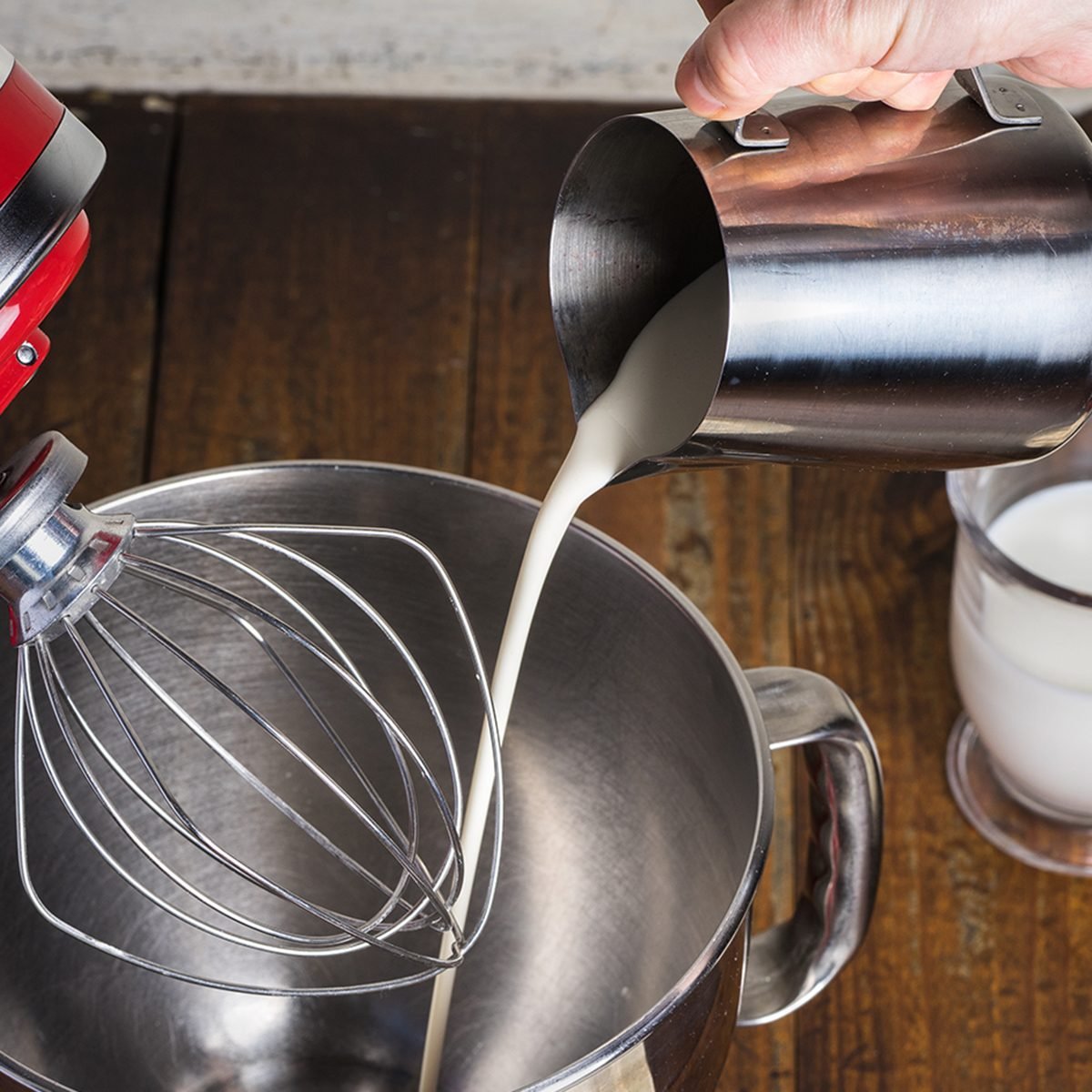
Heavy cream is a culinary workhorse, renowned for its luxurious texture and rich flavor. From decadent sauces and creamy soups to fluffy desserts and indulgent mashed potatoes, it elevates countless dishes. Defined by its high-fat content—typically 36-40% butterfat—heavy cream is the wonderfully thick layer that rises to the top of fresh milk. While often labeled "heavy whipping cream," its uses extend far beyond just whipping. However, finding yourself without this staple ingredient can be a common kitchen conundrum. Perhaps you've run out, forgotten to buy it, or you're seeking a lighter, dairy-free, or vegan alternative. Whatever the reason, there's no need to despair! The good news is that a variety of excellent substitutes for heavy cream exist, ready to step in and save your dish. The key lies in understanding what role heavy cream plays in your specific recipe and choosing the substitute that best mimics that function – whether it's adding richness, thickening, or providing volume for whipping.Understanding the Role of Heavy Cream in Your Dishes
Before diving into replacements, it's helpful to understand why heavy cream is so effective. Its high fat percentage provides:- Richness: Contributes a deep, creamy flavor that enhances savory and sweet dishes alike.
- Texture: Creates a smooth, velvety mouthfeel in sauces, soups, and custards.
- Thickness: Acts as a natural thickener without adding much starch.
- Stability: Its fat content allows it to hold air when whipped, creating stable peaks perfect for toppings and mousses.
Dairy-Based Substitutes: The Closest Matches
When a recipe calls for heavy cream, and you're not looking for a dairy-free option, these dairy-based alternatives are often your best bet for mimicking its texture and flavor.Milk + Butter: The All-Purpose DIY Cream
This is perhaps the most versatile and universally applicable heavy cream substitute, as it essentially reconstructs heavy cream's core components: fat and liquid. Since butter is essentially the fat derived from milk, recombining them allows you to create a surprisingly effective stand-in.
How to Make It: Melt 1/4 to 1/3 cup of unsalted butter. Allow it to cool slightly, then gradually whisk it into 3/4 cup of whole milk until well combined and emulsified. This yields approximately 1 cup of substitute.
Best Uses: This DIY cream is incredibly adaptable. It performs admirably in savory dishes like creamy pasta sauces (think homemade Alfredo), gravies, quiches, scrambled eggs, and to add an extra creamy dimension to mashed potatoes. It can even be used in some baking recipes, though results might vary slightly. For general cooking and baking, this is an easy heavy cream substitute for cooking and baking.
Pro Tip: Using whole milk provides a richer base, closer to heavy cream. For best results, ensure the butter is melted but not hot when adding to the milk, which helps prevent separation.
Half-and-Half: The Lighter Indulgence
As its name implies, half-and-half is a blend of half heavy cream and half whole milk. This makes it a natural, albeit lighter, alternative to full heavy cream, with a fat content typically ranging from 10-18%.
How to Use It: You can generally substitute half-and-half for heavy cream in a 1:1 ratio, especially in recipes where the primary goal is to add some richness and smoothness rather than intense thickening or whipping. If you desire a richer flavor and thicker texture, you can enhance it by whisking in a tablespoon of melted butter per cup of half-and-half.
Best Uses: Half-and-half shines in recipes where you want a lighter touch of creaminess without all the fat. It's excellent for lightening up creamy soups (like potato soup or lobster bisque), enriching coffee, or adding to sauces where intense thickness isn't critical. It's usually a convenient swap when you're truly out of heavy cream and need instant recipe success.
Considerations: Half-and-half generally cannot be whipped due to its lower fat content.
Evaporated Milk: The Pantry Powerhouse
Evaporated milk is a shelf-stable dairy product where about 60% of the water content has been removed through heating. This concentration results in a thicker, slightly caramelized liquid that can serve as a viable heavy cream substitute, particularly in cooked dishes.
How to Use It: Substitute evaporated milk for heavy cream in a 1:1 ratio. If you want to boost its richness and fat content to more closely mimic heavy cream, you can whisk in about 1/3 cup of butter per cup of evaporated milk.
Best Uses: Its long shelf life makes it an excellent pantry staple for when you run out of fresh cream. Evaporated milk works wonderfully in creamy casseroles, baked goods (where its slight caramel note can be a bonus), and savory dishes like macaroni and cheese or gratin. It also performs well in custards and puddings.
Considerations: Evaporated milk has a slightly toasted, almost caramel-like flavor due to the cooking process. While this can be a delicious addition to many dishes, be mindful of its impact on delicate flavors. Like half-and-half, it will not whip.
Other Dairy Options:
- Cream Cheese: While not a direct liquid substitute, softened cream cheese can add incredible creaminess and tang to sauces, dips, and casseroles. Use it sparingly, dissolving it into warm liquids, to add body and richness. It's excellent for savory dishes but not suitable for whipping or thin sauces.
- Sour Cream or Greek Yogurt: These are excellent for adding tanginess and thickness to savory dishes like stroganoff, chili, or potato salads. Their higher acidity means they can sometimes curdle if added directly to boiling liquids; it's best to temper them by whisking in some hot liquid before adding to the main dish, or stirring them in at the end off the heat. They are not suitable for whipping and their flavor profile is distinct, so consider if it complements your recipe.
Non-Dairy and Vegan Alternatives
For those avoiding dairy or following a vegan diet, several plant-based options can effectively stand in for heavy cream, offering both richness and versatility.
Coconut Cream: The Tropical Whipping Star
Coconut cream is the thick, rich part that separates and rises to the top of full-fat canned coconut milk when chilled. It's naturally high in fat and can even be whipped, making it an exceptional vegan heavy cream substitute.
How to Use It: Chill a can of full-fat coconut milk overnight without shaking. Open the can without tipping, and spoon out the thick cream layer from the top. You can use this cream directly in a 1:1 ratio for heavy cream in most recipes. For whipping, ensure it's very cold, and whip with an electric mixer until fluffy.
Best Uses: Fantastic for curries, creamy soups, desserts, and even whipped as a topping for pies or fruit. Its distinct coconut flavor pairs wonderfully with many sweet and savory dishes, particularly those with Asian or tropical influences.
Considerations: The coconut flavor is prominent, so ensure it complements your recipe. Full-fat is crucial for richness and whipping ability.
Cashew Cream: The Neutral & Versatile Vegan Option
Cashew cream is a remarkably neutral-tasting and incredibly versatile plant-based cream that can be used in both sweet and savory applications.
How to Make It: Soak raw cashews in hot water for at least 30 minutes (or cold water for 2-4 hours). Drain and rinse the cashews, then blend them with a small amount of fresh water (start with 1/2 cup water for 1 cup of cashews) until completely smooth and creamy. Add more water as needed to reach desired consistency.
Best Uses: Ideal for creamy vegan pasta sauces, soups, salad dressings, or even in cheesecakes and other desserts. Its mild flavor makes it an excellent canvas for various culinary creations.
Considerations: Requires some prep time for soaking and blending. A high-speed blender will yield the smoothest results.
Full-Fat Oat Milk or Soy Milk: For Everyday Cooking
While not as thick or fatty as heavy cream, full-fat versions of oat milk or soy milk can work as a lighter substitute in some cooking applications, especially when combined with a thickener.
How to Use It: Substitute 1:1 in recipes where heavy cream is added as a liquid. To increase richness and thickness, whisk in 1-2 tablespoons of cornstarch (for thickening) or vegan butter (for richness) per cup of milk.
Best Uses: Great for adding to coffee, light sauces, or soups. They won't provide the same richness or body as heavy cream, but can be a good choice for a lighter touch.
Considerations: Neither of these will whip, and their flavor can be noticeable in some recipes. Choose "barista" or "full-fat" versions for the creamiest results.
Key Considerations When Choosing Your Substitute
To ensure your recipe's success, consider these factors when selecting your heavy cream alternative:
- Recipe Type: Is it a baked good, a savory sauce, a soup, or something that needs to be whipped? Baking is often more sensitive to fat content and consistency.
- Desired Outcome: Are you looking for richness, thickness, or the ability to whip? Each substitute excels in different areas.
- Flavor Profile: Does the substitute have a distinct flavor (like coconut cream or evaporated milk) that will complement or clash with your dish?
- Dietary Needs: Are you aiming for a dairy-free, vegan, or lower-fat option?
- Availability: What do you already have in your pantry or fridge? The best substitute is often the one that's readily available.
Conclusion
Running out of heavy cream no longer means postponing or abandoning your culinary plans. With a little understanding of its function in your recipe and the properties of various alternatives, you have a wealth of options at your fingertips. From the classic milk and butter combination to versatile non-dairy creams, there's a perfect substitute for heavy cream for nearly any situation. Don't be afraid to experiment; you might even discover a new favorite ingredient that enhances your dishes in unexpected ways. Happy cooking!
